
Can you Custom your own circuit boards?
What is PCB customization?
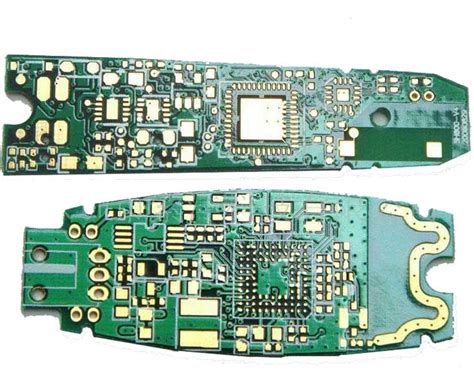
PCB customization refers to the process of designing and manufacturing printed circuit boards according to specific requirements. Instead of using generic, off-the-shelf PCBs, Custom PCBs are created to fit the unique needs of a particular project or application. This allows for optimized layout, improved performance, and enhanced functionality.
Why Choose Custom PCBs?
There are several reasons why you might choose to customize your own PCBs:
-
Tailored Design: Custom PCBs allow you to create a board layout that perfectly matches your circuit design. You have full control over the placement of components, routing of traces, and overall board dimensions.
-
Optimized Performance: By customizing your PCB, you can optimize the board for specific performance requirements, such as high-speed signal integrity, power efficiency, or thermal management.
-
Cost-Effectiveness: While custom PCBs may have higher upfront costs compared to generic boards, they can be more cost-effective in the long run, especially for larger production runs. Custom PCBs can also help reduce overall system costs by integrating multiple functions onto a single board.
-
Unique Features: Custom PCBs enable you to incorporate unique features that may not be available on standard boards. This can include specialized connectors, embedded components, or custom form factors.

PCB Design Considerations
When designing a custom PCB, there are several key considerations to keep in mind:
1. Schematic Design
The first step in PCB customization is creating a schematic diagram of your circuit. The schematic captures the logical connections between components and serves as a blueprint for the PCB layout. Use PCB design software or electronic design automation (EDA) tools to create your schematic.
2. Component Selection
Choose components that meet your circuit’s requirements in terms of functionality, performance, and compatibility. Consider factors such as package size, power rating, and availability when selecting components. Create a bill of materials (BOM) that lists all the necessary components for your PCB.
3. PCB Layout
Once you have the schematic and components finalized, it’s time to create the PCB layout. The layout determines the physical placement of components and the routing of traces on the board. Consider the following aspects when designing your PCB layout:
- Board Size: Determine the appropriate board size based on your project’s space constraints and component requirements.
- Layer Stack-up: Decide on the number of layers needed for your PCB. More complex designs may require multilayer boards to accommodate all the necessary traces and components.
- Component Placement: Place components strategically to minimize trace lengths, reduce signal interference, and optimize board space utilization.
- Trace Routing: Route the traces between components according to design rules and guidelines. Consider factors such as trace width, spacing, and impedance matching for high-speed signals.
- Power and Ground Planes: Incorporate power and ground planes to provide stable power distribution and reduce noise.
- Design Rule Check (DRC): Perform a DRC to ensure your PCB layout meets manufacturing constraints and design rules.
4. Manufacturing Considerations
When designing your custom PCB, keep in mind the manufacturing process and limitations. Consider the following:
- PCB Material: Choose the appropriate PCB material based on your application’s requirements, such as FR-4, high-frequency laminates, or flexible substrates.
- Copper Weight: Select the appropriate copper weight for your traces and planes. Higher copper weights offer better current carrying capacity but may increase manufacturing costs.
- Minimum Feature Size: Be aware of the minimum feature sizes supported by your chosen PCB manufacturer, such as minimum trace width and spacing.
- Surface Finish: Choose a suitable surface finish for your PCB, such as HASL, ENIG, or OSP, based on your assembly and reliability requirements.
PCB Manufacturing Options
Once you have completed your PCB design, you need to choose a manufacturing option to fabricate your boards. Here are some common PCB manufacturing options:
1. In-House Manufacturing
If you have access to PCB manufacturing equipment, you can fabricate your custom PCBs in-house. This option gives you complete control over the manufacturing process but requires significant investment in equipment and expertise.
2. PCB Fabrication Services
Many PCB fabrication services offer custom PCB manufacturing. These services typically provide online quoting and ordering systems where you can upload your PCB design files and specify your manufacturing requirements. Some popular PCB fabrication services include:
- JLCPCB
- PCBWay
- Seeed Studio
- OSH Park
3. Local PCB Manufacturers
You can also explore local PCB manufacturers in your area. Local manufacturers may offer more personalized service and faster turnaround times compared to online services. However, they may have higher minimum order quantities and limited capabilities compared to larger fabrication houses.

PCB Assembly Options
After fabricating your custom PCBs, you need to assemble the components onto the boards. Here are some PCB assembly options:
1. Hand Assembly
For low-volume prototypes or simple designs, you can assemble the components onto the PCB by hand using soldering tools. This option is cost-effective for small quantities but can be time-consuming and prone to human error.
2. Automated Assembly
For larger production runs or complex designs, automated assembly using pick-and-place machines and reflow ovens is more efficient. Many PCB assembly services offer automated assembly options. They typically require you to provide the PCB design files, BOM, and component placement files.
3. Partial Assembly
Some PCB assembly services offer partial assembly, where they assemble the surface mount components (SMT) onto the board, and you handle the through-hole components and final assembly. This option can be a good balance between cost and convenience.
Frequently Asked Questions (FAQ)
1. What software do I need for PCB customization?
To design custom PCBs, you’ll need PCB design software or electronic design automation (EDA) tools. Some popular options include:
- Autodesk Eagle
- KiCad
- Altium Designer
- OrCAD
- Cadence Allegro
These tools provide schematic capture, PCB layout, and design rule checking capabilities.
2. How much does it cost to manufacture custom PCBs?
The cost of manufacturing custom PCBs depends on several factors, including:
- Board size and complexity
- Number of layers
- Material and surface finish
- Quantity ordered
- Manufacturing turnaround time
PCB fabrication services typically provide instant online quotes based on your design specifications. Prices can range from a few dollars for small, simple boards to hundreds of dollars for large, complex, and high-quantity orders.
3. What files do I need to provide for PCB manufacturing?
When ordering custom PCBs, you typically need to provide the following files:
- Gerber files: These are the standard file format for PCB fabrication and include information about the copper layers, solder mask, silkscreen, and drill holes.
- Drill files: These files specify the location, size, and type of drill holes on the PCB.
- Bill of Materials (BOM): The BOM lists all the components required for the PCB assembly.
- Pick and Place file: This file provides the location and orientation of components on the PCB for automated assembly.
Most PCB design software can generate these files automatically based on your PCB design.
4. What are the typical lead times for custom PCB manufacturing?
Lead times for custom PCB manufacturing vary depending on the complexity of the design, the chosen manufacturing service, and the quantity ordered. Typical lead times range from a few days to several weeks. Many PCB fabrication services offer expedited manufacturing options for faster turnaround times, but these may come at a higher cost.
5. Can I manufacture custom PCBs at home?
Yes, it is possible to manufacture simple custom PCBs at home using methods like toner transfer or chemical etching. However, these methods have limitations in terms of precision, reliability, and capabilities compared to professional PCB manufacturing services. Home PCB fabrication is suitable for simple, low-quantity prototypes but not recommended for complex designs or larger production runs.
Conclusion
PCB customization offers numerous benefits, including tailored design, optimized performance, cost-effectiveness, and unique features. By designing and manufacturing custom PCBs, you can create circuit boards that perfectly match your project’s requirements.
When embarking on PCB customization, consider factors such as schematic design, component selection, PCB layout, and manufacturing considerations. Choose the appropriate PCB fabrication and assembly options based on your project’s needs, budget, and timeline.
With the right tools, knowledge, and resources, you can successfully create custom PCBs that bring your electronic designs to life. Happy PCB customization!
| Aspect | Considerations |
|---|---|
| PCB Design | – Schematic design – Component selection – PCB layout – Manufacturing considerations |
| PCB Fabrication | – In-house manufacturing – PCB fabrication services – Local PCB manufacturers |
| PCB Assembly | – Hand assembly – Automated assembly – Partial assembly |