
Fast PCB Prototyping – How to Accelerate Your Product Development
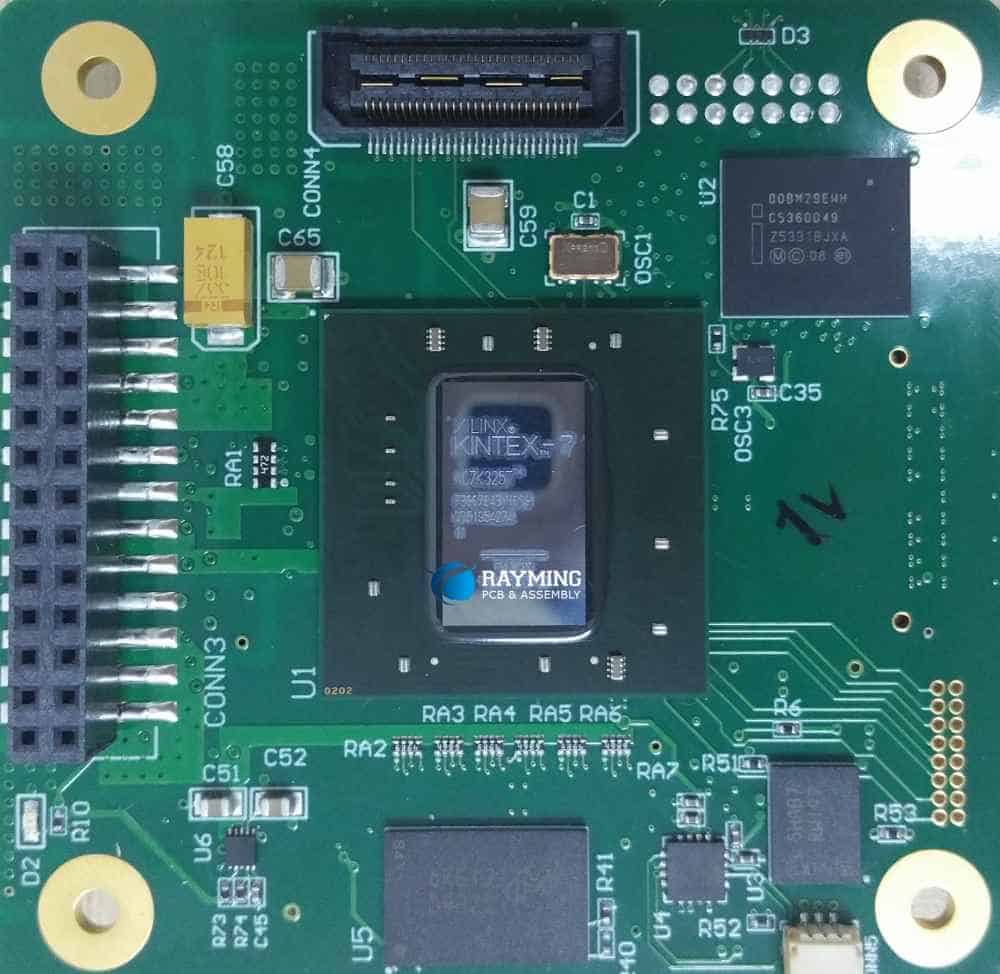
Rapid prototyping of printed circuit boards (PCBs) is crucial for bringing new products to market faster. This allows engineers and designers to quickly iterate, test concepts, and validate designs before investing in full production. There are several techniques and strategies to enable fast PCB prototyping.
Benefits of Fast Prototyping
Accelerating PCB prototyping offers many advantages:
- Faster time-to-market – Getting working prototypes quickly allows you to finalize and launch products sooner. This enables you to gain a competitive edge.
- Early design validation – Testing early prototypes informs engineering teams about potential design flaws or areas for optimization. This avoids costly re-spins late in development.
- Iterate faster – Rapid iterations based on prototype feedback results in better product-market fit. More iterations and design refinements are possible.
- Reduce costs – Fast prototyping reduces development costs and avoids potential delays compared to slower processes.
- Respond to changing requirements – New customer needs or technical challenges can be addressed with agile re-prototyping.
Techniques for Fast Prototyping
Here are key techniques PCB designers and engineers use for accelerating prototyping:
Use Prototype-Specific Design Rules
Relaxing design rules enables faster layout and manufacture compared to final production boards. For example:
- Larger trace widths and spacing
- Less restrictive via sizes and pitches
- Allowance for impedance mismatches
- Single-sided boards or no solder mask
These rules optimize for speed rather than long-term reliability or multi-layer complexity.
Simplify the Design
Simplifying the circuit and PCB layout removes unnecessary components and complexity:
- Use 0201 or 01005 components only where essential
- Avoid BGAs and other complex package footprints
- Minimize layer count by removing low priority signals
- Use 50V clearance rules unless higher voltages required
- Eliminate advanced interfaces like DDR when possible
This reduces the PCB design effort and fabrication time requirements.
Use Design Reuse
Leveraging existing schematic and PCB layout blocks, symbols, and footprints accelerates prototyping. Design reuse avoids repeating time-consuming schematic capture and layout tasks.
Outsource Fab and Assembly
Contracting fabrication and assembly to capable vendors saves time compared to in-house processing. Experienced vendors can rapidly manufacture and assemble prototypes with fast turnaround times.
| Prototyping Method | Timeframe | Description |
|---|---|---|
| Basic circuits on prototyping boards | < 1 day | Simple solderless breadboards for initial proof-of-concepts |
| Custom PCBs from PCB proto shops | 1-5 days | Low volume boards with accelerated fabrication and shipping |
| In-house rapid PCB prototyping using desktop milling machines | < 1 day | Cheapest option for very fast single or low quantity boards |
| 3D printing circuit boards | < 1 day | Alternative method using conductive inks on 3D printed substrates |
Prioritize Functional Validation
Focus prototype testing on validating core product functionality and eliminating major flaws. In-depth testing of reliability, compliance, etc. comes later.
Build Multiple Revisions
Expect to build several prototype revisions, especially for complex products. Plan for parallel prototypes if needed to accelerate specific areas of development.
Prototype with Simulated Components
Use dummy components, model boards, or other simulated elements to allow prototyping before all dependencies are completed. Swap these for real components later.
Perform Regression Testing
Have an automated test suite and scripts to validate key functionality every time a new prototype revision is built. This catches any regressions immediately.
Prototype Development Cycle
Rapid prototyping relies on a fast, agile development process:
- Conceptualize design goals and system architecture
- Create initial schematics and block diagrams
- Layout initial PCB and select critical components
- Fabricate first prototype revision
- Assemble prototype and develop basic test setup
- Functionally test critical paths and features
- Analyze results, improve design, update schematics
- Iterate layout, fab, assembly, test process rapidly
- Repeat until design validated and all criteria achieved
This cyclic approach allows engineers to converge on an optimal design much faster than traditional linear development.
Enabling Fast Prototyping
To fully support rapid prototyping, some key enablers are required:
- Agile engineering processes and culture
- Automated design, simulation, and testing
- Access to prototype fabrication and assembly
- Well-defined design requirements and specifications
- Excellent communication and collaboration between teams
- Adequate budget allocated to iterative prototyping
- Skill in rapid design tools and layout software
With the right process, tools, and resources, PCB prototyping lead times can be compressed down to days instead of weeks or months.
Frequently Asked Questions
Why is fast PCB prototyping important?
Fast prototyping allows you to validate designs quickly, catch issues early, and bring products to market faster. This results in higher quality products developed at lower cost.
What are some key techniques for rapid prototyping?
Using relaxed design rules, simplifying layouts, reusing prior work, outsourcing fabrication/assembly, functional validation, and agile iterative development of multiple revisions.
How long does rapid PCB prototyping take?
With the right techniques, you can build working PCB prototypes in less than a day and get finished boards in 1-5 days from quick-turn assembly shops.
What are some limitations of rapid prototypes?
They focus on core functionality vs long-term reliability. Not suitable for high-volume production without additional design verification.
How many prototype revisions are typical?
Most complex products require at least 3-5 major prototype iterations to refine the design prior to pre-production builds.